Place and experience details
Star Ferry
Across Victoria Harbour, between Hong Kong Island and Kowloon
Star Ferry is a public passenger ferry across Victoria Harbour, connecting Hong Kong Island with Kowloon. Its green-and-white boats belong to the city's everyday transport system. This is a short journey to another part of Hong Kong, not a private boat trip or a sightseeing cruise. Getting across the harbour also lets you see how the two shores relate to each other.
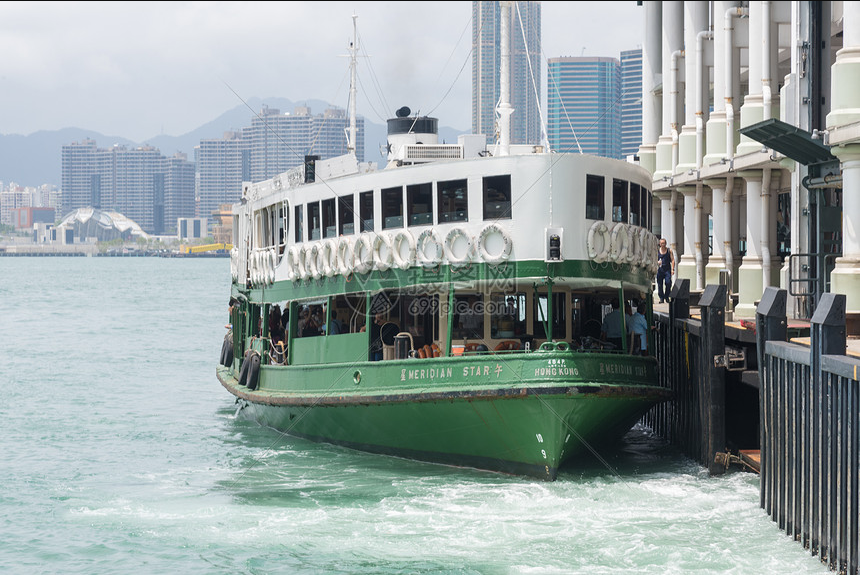
A harbour service with a long history
The operator traces its origins to a ferry service begun in 1880; the Star Ferry Company became a public company in 1898. The service grew out of the need to move people across the harbour, and its transport role remains central today.
The boats and piers give the crossing a historic character, but you are not entering a museum. People still board to get somewhere. Watch the movement through the terminal, the crew handling the arrival and the changing waterfront beyond, rather than expecting a narrated excursion.
Two shores, two different views
Leaving Tsim Sha Tsui, Hong Kong Island's buildings spread across the opposite shore, with hills rising behind them. Traveling the other way, Kowloon's waterfront draws closer while the island becomes a broader backdrop. As the ferry moves away from the pier, gaps open between buildings and the city stops feeling like one continuous street scene.
For a first visit, this makes Hong Kong's geography visible: Central and Wan Chai are on the island, while Tsim Sha Tsui is across the water in Kowloon.
Choose the crossing for your next neighbourhood
The current public routes are Central–Tsim Sha Tsui and Wan Chai–Tsim Sha Tsui. Use Central Pier No. 7, Wan Chai Ferry Pier, or the Star Ferry Pier at Salisbury Road in Tsim Sha Tsui. Check the destination signs before joining a queue: Central and Wan Chai are different arrivals.
Choose Central for its streets or the Mid-Levels area, or Wan Chai for its harbourfront and neighbourhood. Traveling from either island district to a Tsim Sha Tsui waterfront walk works too. Neither route is compulsory; choose the connection that avoids retracing your day.
From the terminal to your seat
Confirm your route, follow the payment and boarding signs, and wait behind the gate until passengers are allowed through. Seating is not reserved. Once aboard, find an available seat and keep the gangway clear. On the Central route, the operator lists upper- and lower-deck travel; do not assume the same passenger access on every route, as the Wan Chai service does not carry passengers on its lower deck.
Follow the crew's instructions rather than moving around for a photograph. The operator prohibits standing on the upper deck or steps and asks passengers to remain seated until the ferry is securely docked. Keep children close when boarding and leaving. If boarding access or mobility is a concern, confirm arrangements for your chosen route before relying on it.
A crossing is not a harbour cruise
The public ferry joins two shores on a short transport journey, with harbour views along the way. A sightseeing cruise offers longer time on the water, with the boat ride itself as the activity. Star Ferry also advertises separate harbour-tour products, so check which service you are booking or boarding. A cruise is not simply the public crossing with a different ticket.
Make the ferry a link in a walking day
Build the day around what you want to do on land. A Tsim Sha Tsui waterfront walk can lead into a crossing to Central, followed by streets, shops and a meal on the island. In the opposite direction, a walk in Wan Chai can finish with the ferry to Kowloon. Allow for reaching the pier and waiting, but there is no need to treat a single crossing as a half-day attraction.
For the island side, the Central Mid-Levels Walk continues the day away from the waterfront. If you are staying on the Kowloon side into the evening, Temple Street Night Market is a separate onward stop, not part of the ferry terminal area.
Light, visibility and a moving camera
Daylight makes building details and the hills easier to distinguish; evening gives the skyline a different character as windows and signs light up. Haze, rain and harbour conditions change what you can see. A moving boat also changes the frame quickly, so take a few photographs from your seat without blocking others, then spend some of the crossing simply looking. No departure guarantees a particular sunset or clear night view.
Who it suits, and what to check before going
The crossing suits first-time visitors finding their bearings, photographers interested in changing skyline angles, and families wanting a short transport experience. It also makes sense for anyone already moving between Kowloon and Hong Kong Island, or curious about how everyday journeys shape a city.
Check the latest Star Ferry timetable and service notices before you go. Leave flexibility for weather or operational changes, especially if you have an onward appointment. Any help we arrange concerns walking-day planning and local coordination; it does not turn this public service into an exclusive ferry or guarantee a seat.
Official references: Star Ferry services and passenger notices, the operator's history and Transport Department ferry details. Check current arrangements before traveling.