Read a facade
Use material, openings and decoration to identify function and influence.
Culture
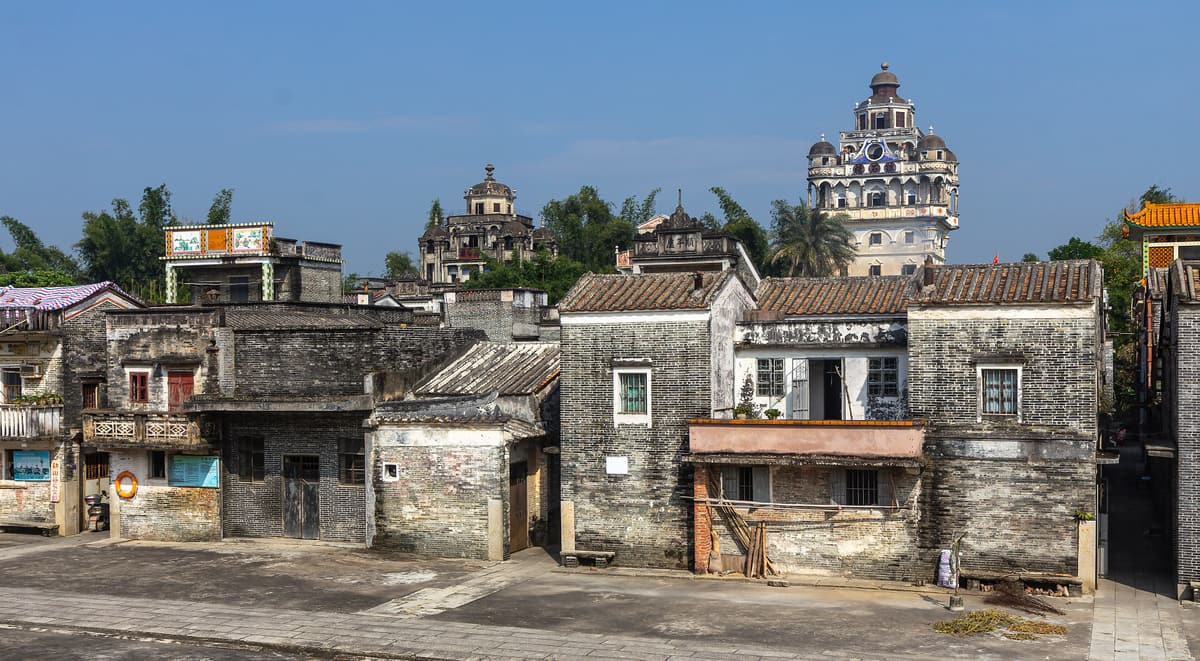
Learn to read buildings as evidence of climate, trade, family life and social change.
What this experience is really about
This is architecture at street level, without requiring specialist knowledge. Facades, courtyards, arcades, materials and street proportions become clues to how people lived and how the city changed.
The route balances landmark structures with ordinary buildings. Old and contemporary layers are compared so preservation is discussed as a living urban question, not nostalgia alone.
Inside the experience
Respectful local access · Flexible to the day
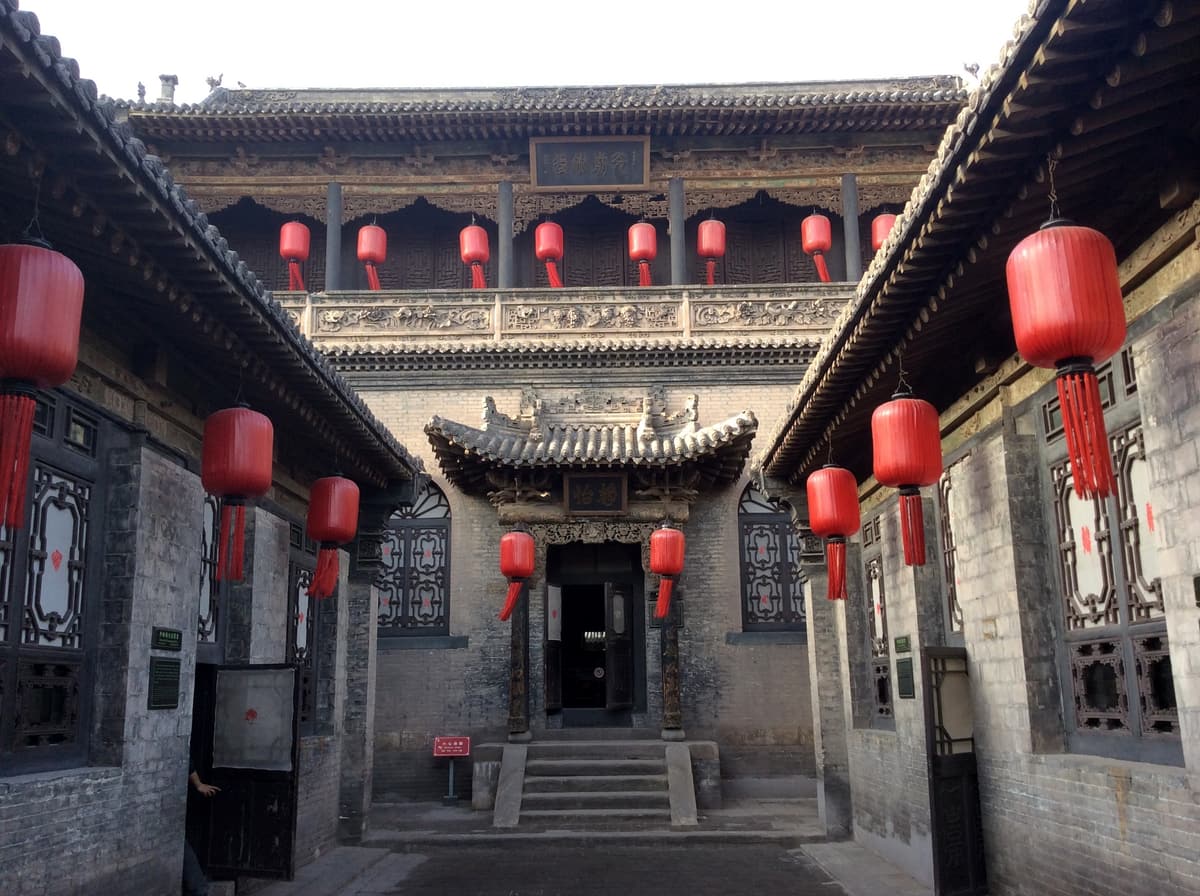
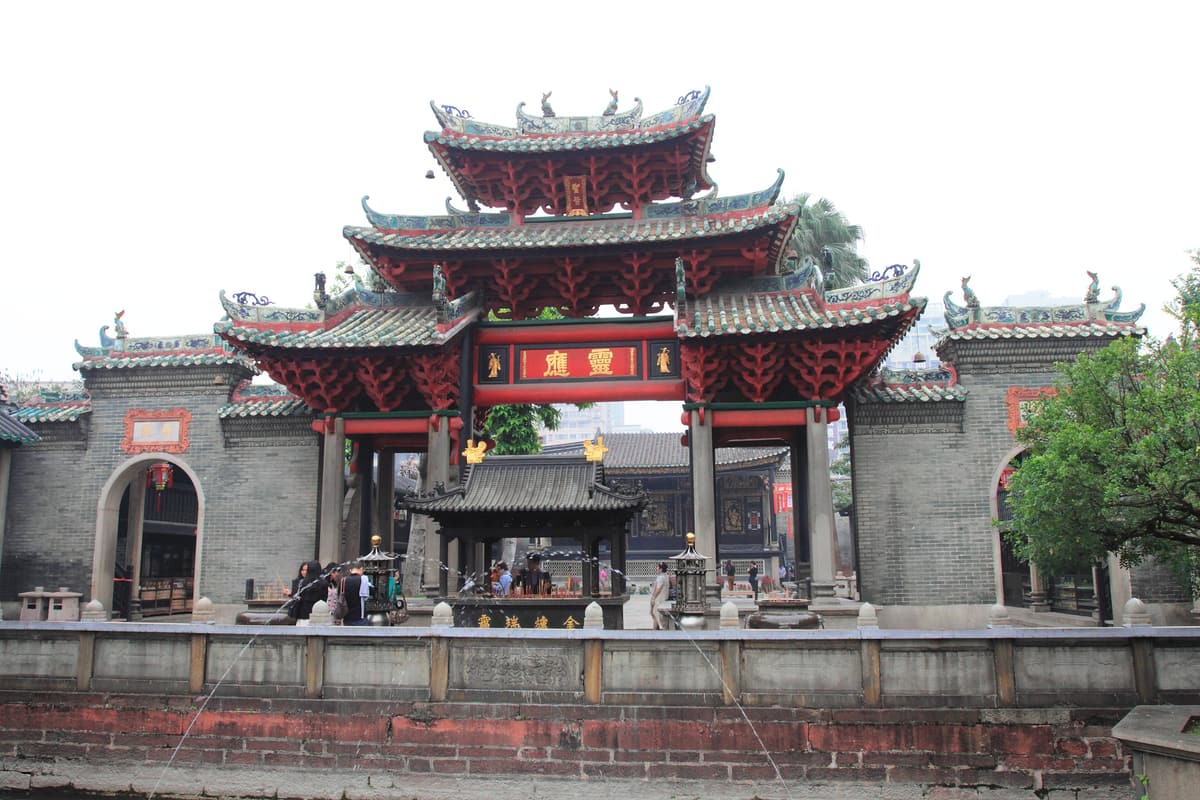
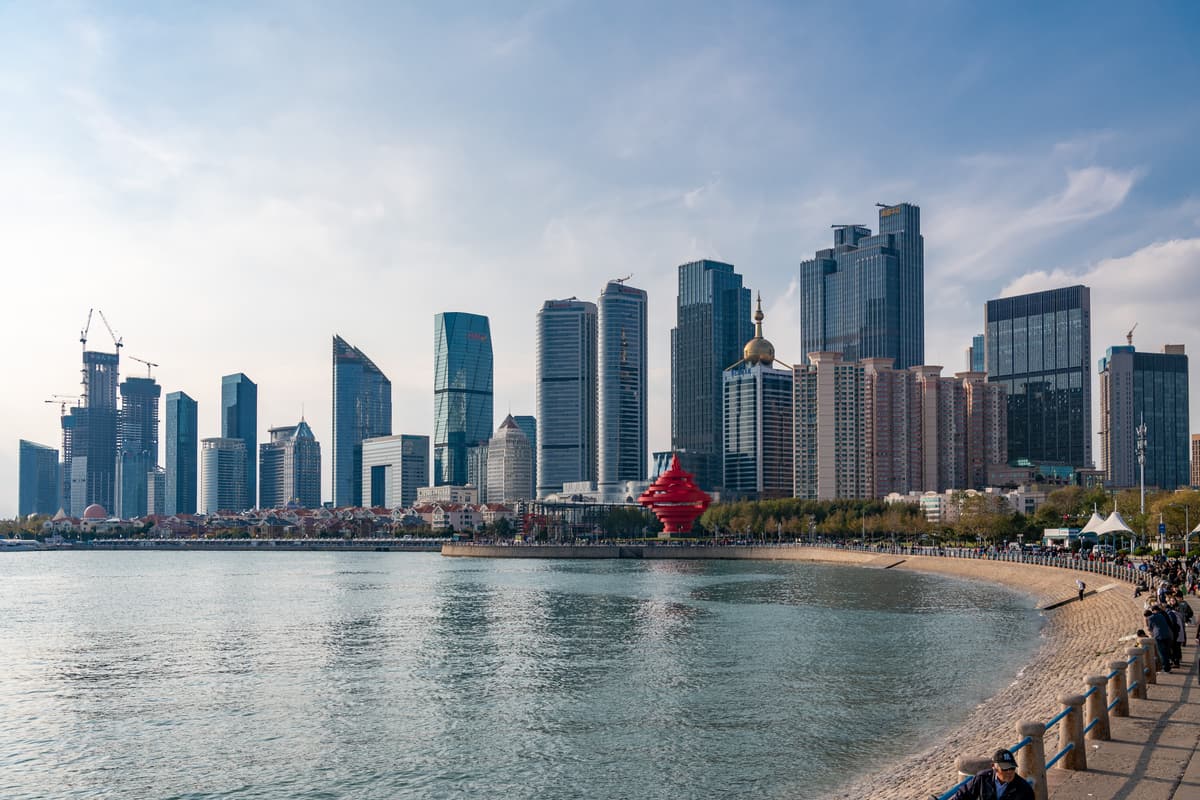
What you will experience
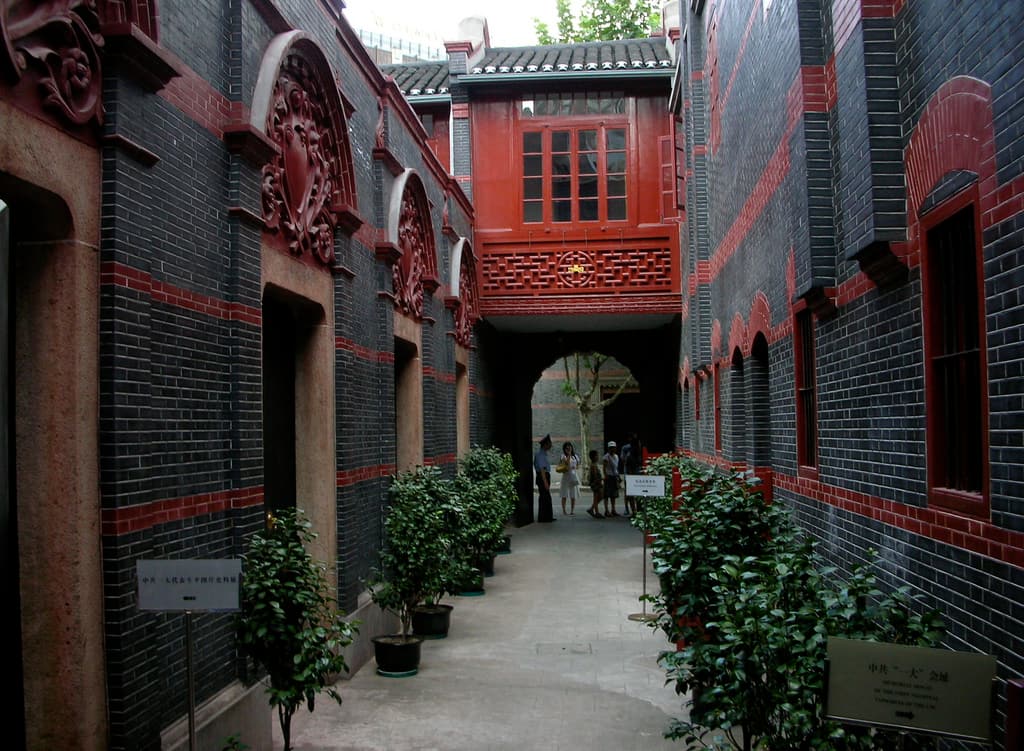
Use material, openings and decoration to identify function and influence.
See how courtyards, lanes and thresholds organize social life.
Notice repair, reuse, demolition and new construction side by side.
How the experience unfolds
Begin with a simple map of time, trade and city growth.
Learn a repeatable way to observe architecture.
Compare landmark and everyday structures.
End with current questions of use, memory and preservation.
Private, small group · Flexible to the day
Learn to read buildings as evidence of climate, trade, family life and social change.
Plan this experience →