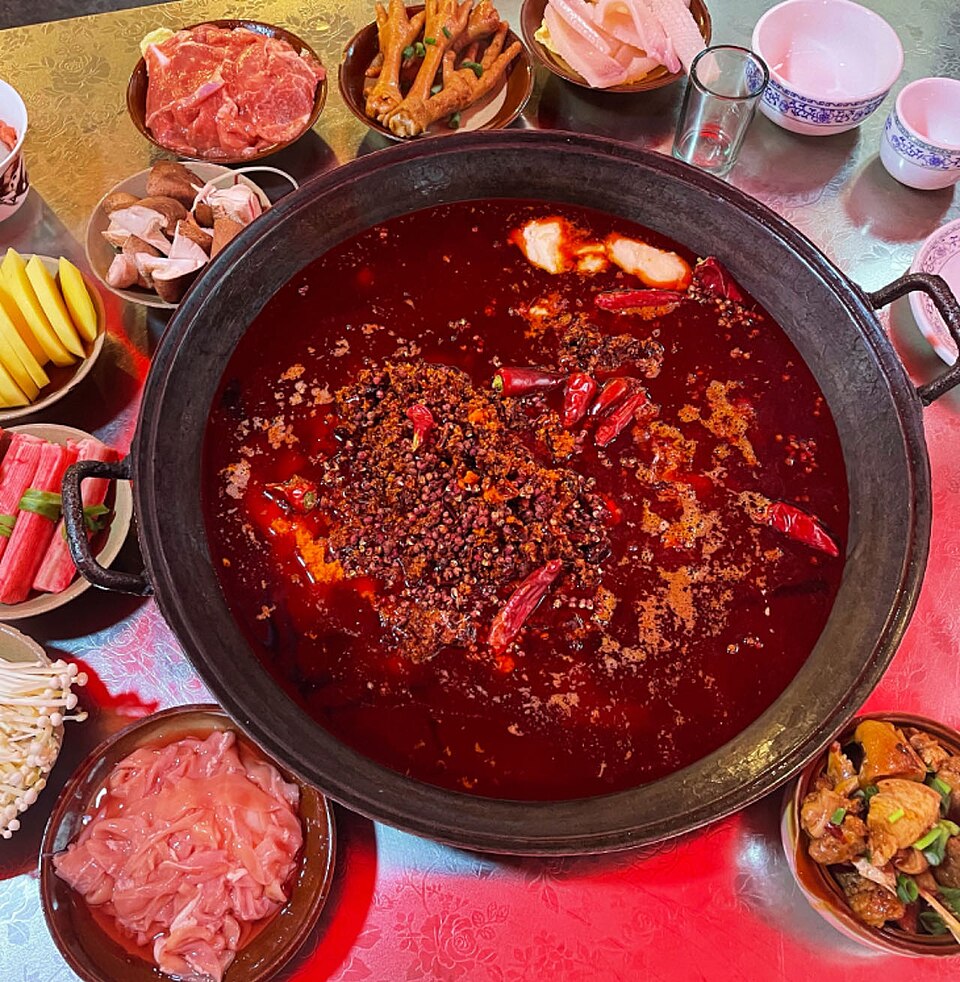
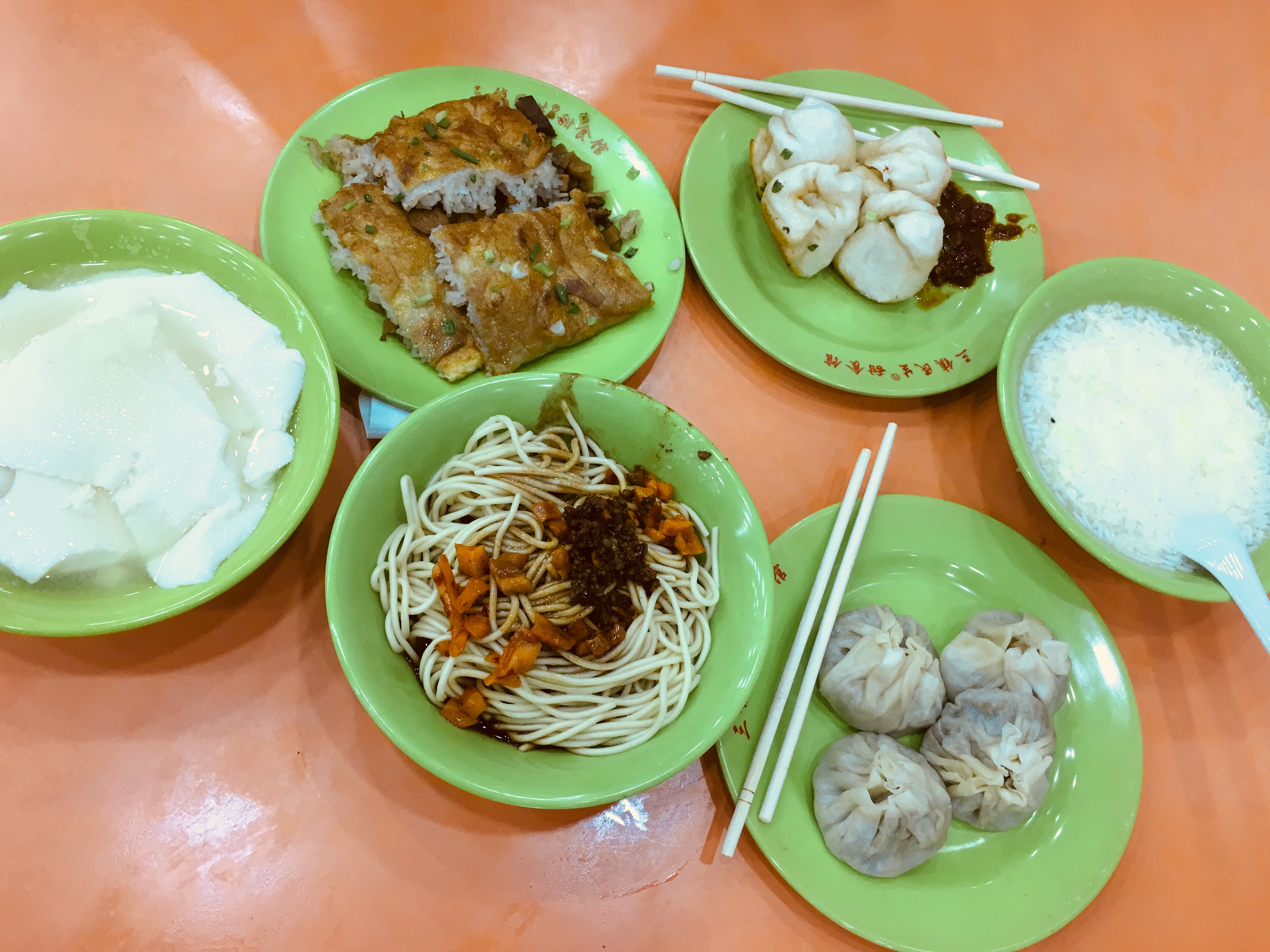
Decode ingredients
Learn what is seasonal, how it is prepared and what locals value.
Food
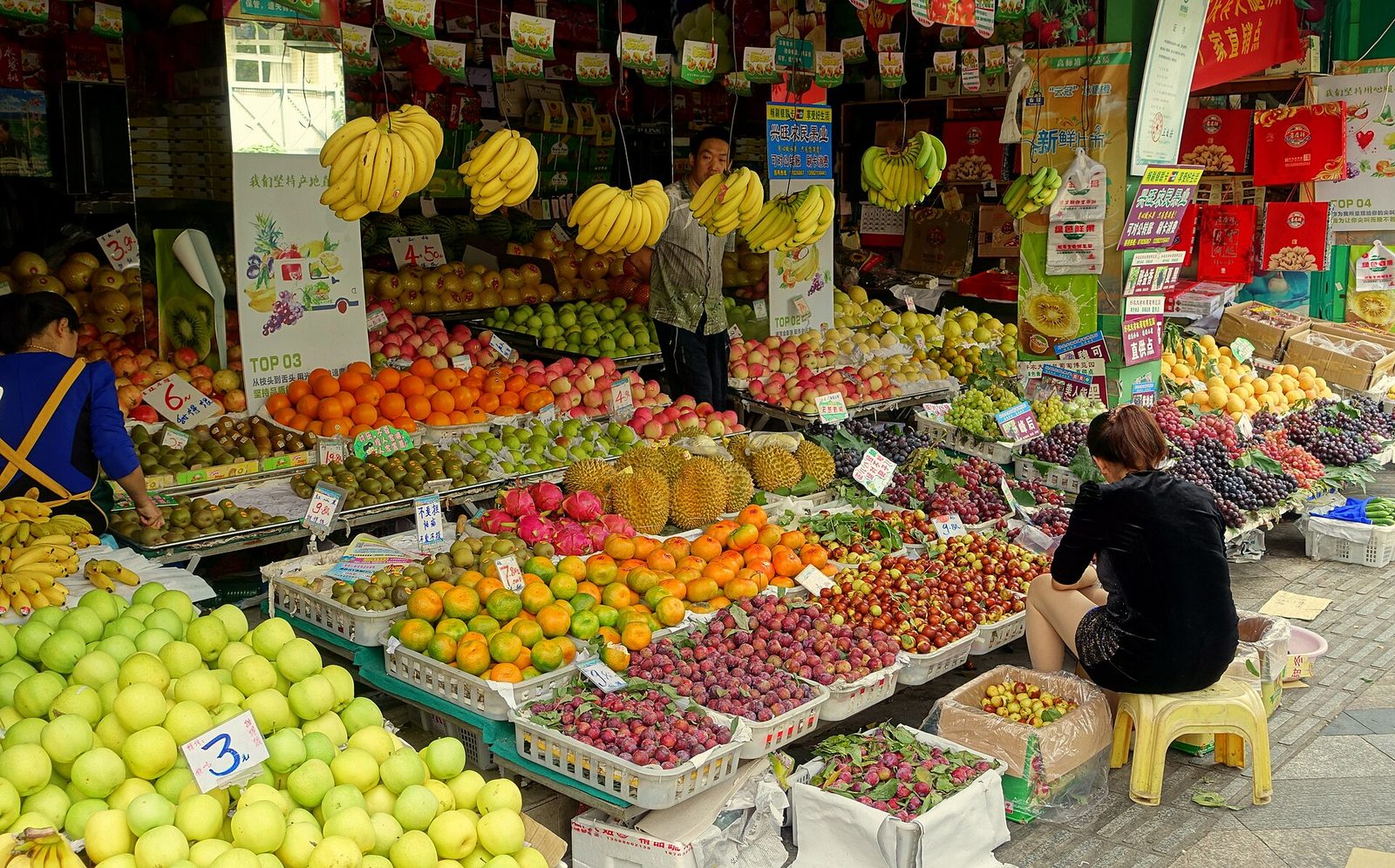
Read daily life through seasonal produce, familiar vendors and the way families shop.
What this experience is really about
Markets reveal climate, migration and household habits more clearly than a souvenir street. We identify unfamiliar ingredients, compare regional pantry staples and observe how regular customers make decisions.
The route is conversational rather than performative. Tastings are chosen for freshness and context, and a cooking add-on can turn what we learn in the market into a shared meal.
Inside the experience
Respectful local access · Flexible to the day
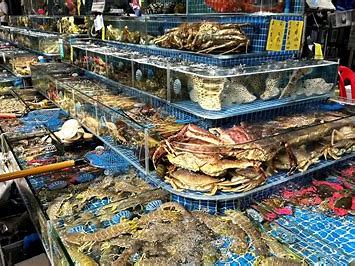
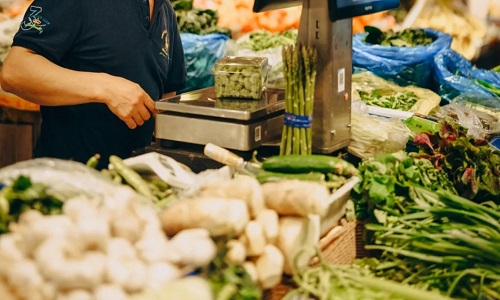
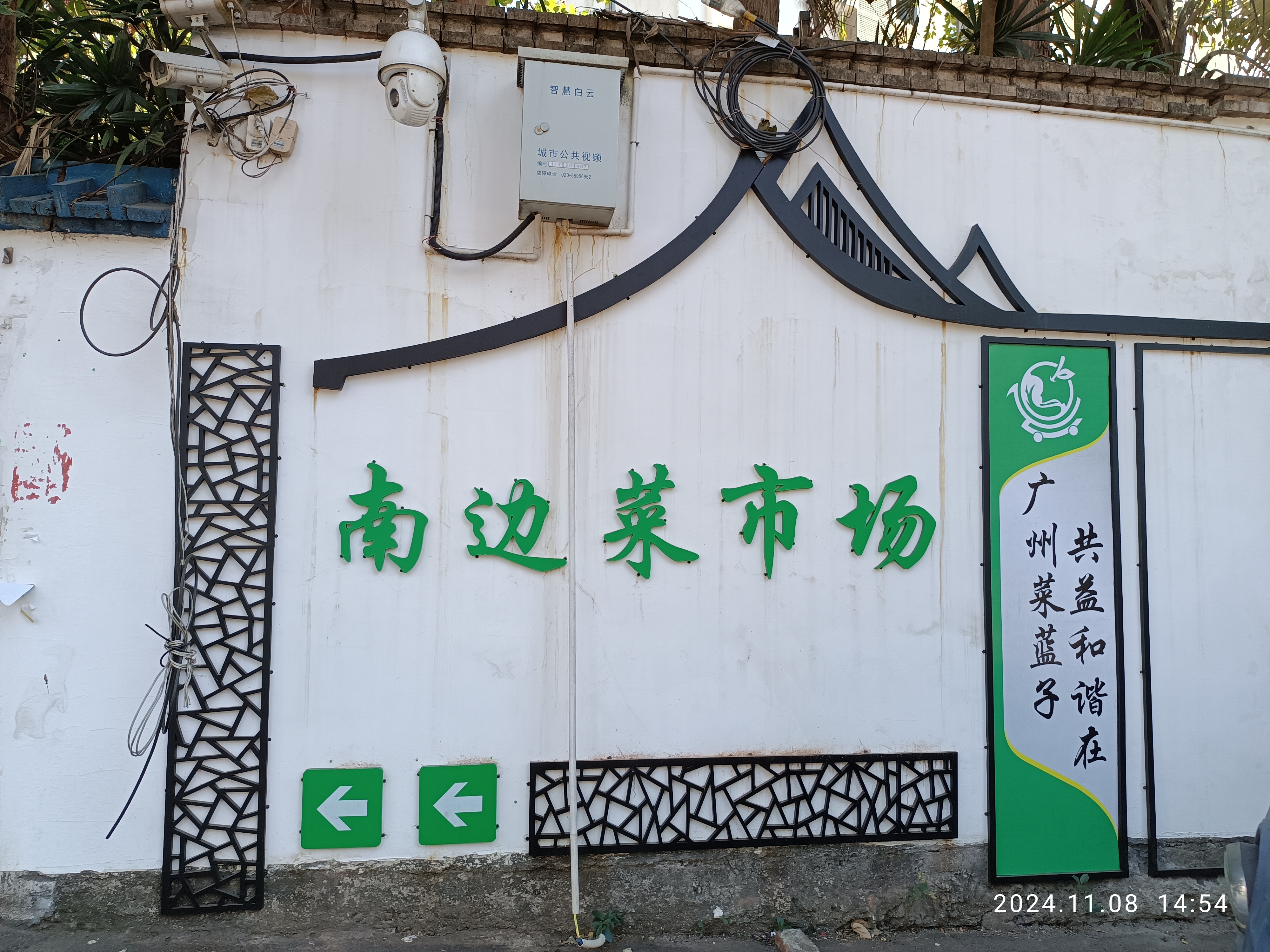
What you will experience
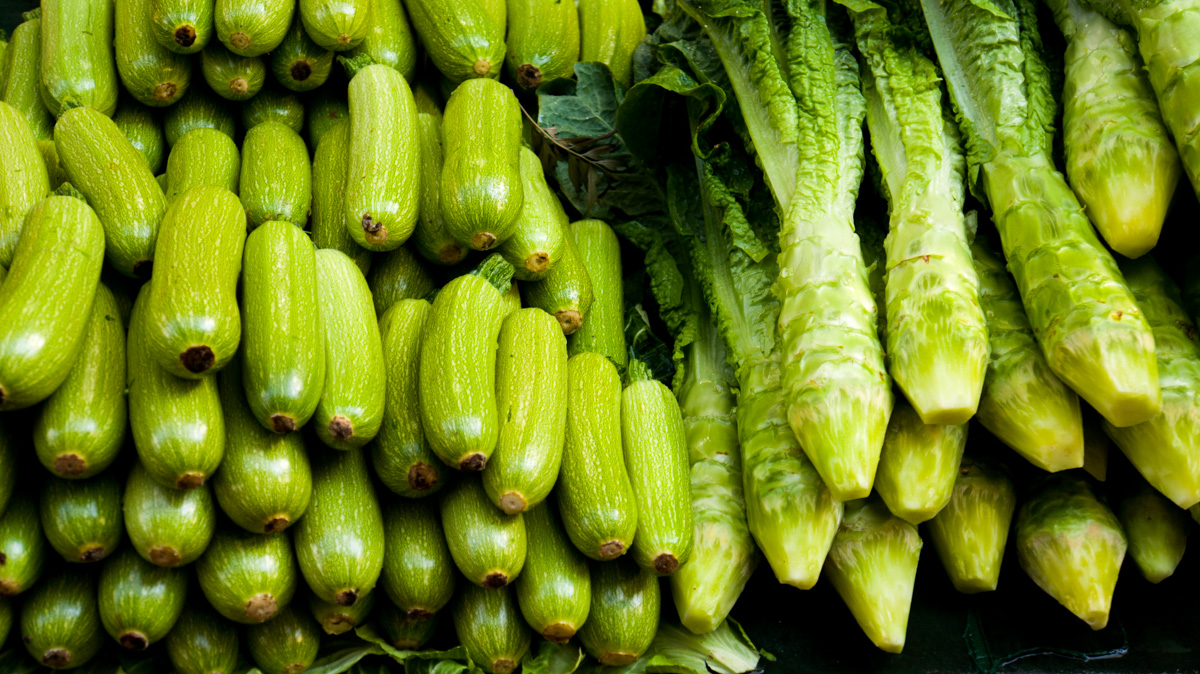
Learn what is seasonal, how it is prepared and what locals value.
Understand specialties through people who handle them every day.
Connect fresh produce, preserved foods and ready-made dishes to home cooking.
How the experience unfolds
Enter when the market is active but still easy to navigate.
Group what you see by season, cooking method and household use.
Choose a few foods that explain the market rather than sampling at random.
Optionally cook or eat nearby using ingredients discussed on the walk.
Private, small group · Flexible to the day
Read daily life through seasonal produce, familiar vendors and the way families shop.
Plan this experience →